
Mistakes Almost Everyone Makes When Removing Rust
Anyone who has dealt with rust on a car, tools, or metal parts has probably tried to remove it on their own at least once. Usually it starts the same way — sandpaper, a brush, some effort — and it seems like the problem is solved.
But after some time, the rust comes back.
Why does this happen?
The reason is rarely the metal itself or the age of the car. In most cases, the problem comes from common mistakes that almost everyone makes.
Let’s look at the most typical ones.
Mistake #1. Overly Aggressive Cleaning
Many people believe that rust simply needs to be scrubbed or sanded harder. In practice, this often leads to the opposite result.
With mechanical cleaning:
- the protective layer of metal is removed
- micro-damage appears
- the metal becomes more vulnerable
This is especially relevant for used cars, which are very common in Serbia. The metal on such vehicles has already been under stress, and aggressive treatment only speeds up corrosion.
Mistake #2. Trying to Remove Rust in One Attempt
Deep corrosion does not disappear instantly.
People often apply a product, wait a few minutes, and become disappointed if the result is not perfect right away.
In reality, rust forms in layers. Sometimes repeated treatment is necessary, especially if the metal has been exposed to moisture for a long time.
In this case, patience works better than force.
Mistake #3. Working on a Dirty Surface
A very common situation: the metal looks rusty, and the treatment begins immediately.
However, dust, oil, or road dirt prevent the product from properly contacting the corrosion. As a result, effectiveness decreases.
Cleaning the surface before treatment always improves the final result.
Mistake #4. Using Liquid Products on Vertical Parts
Many people have experienced situations where the product simply runs down and barely works.
This is especially noticeable when treating:
- bolts
- hinges
- fasteners
- suspension components
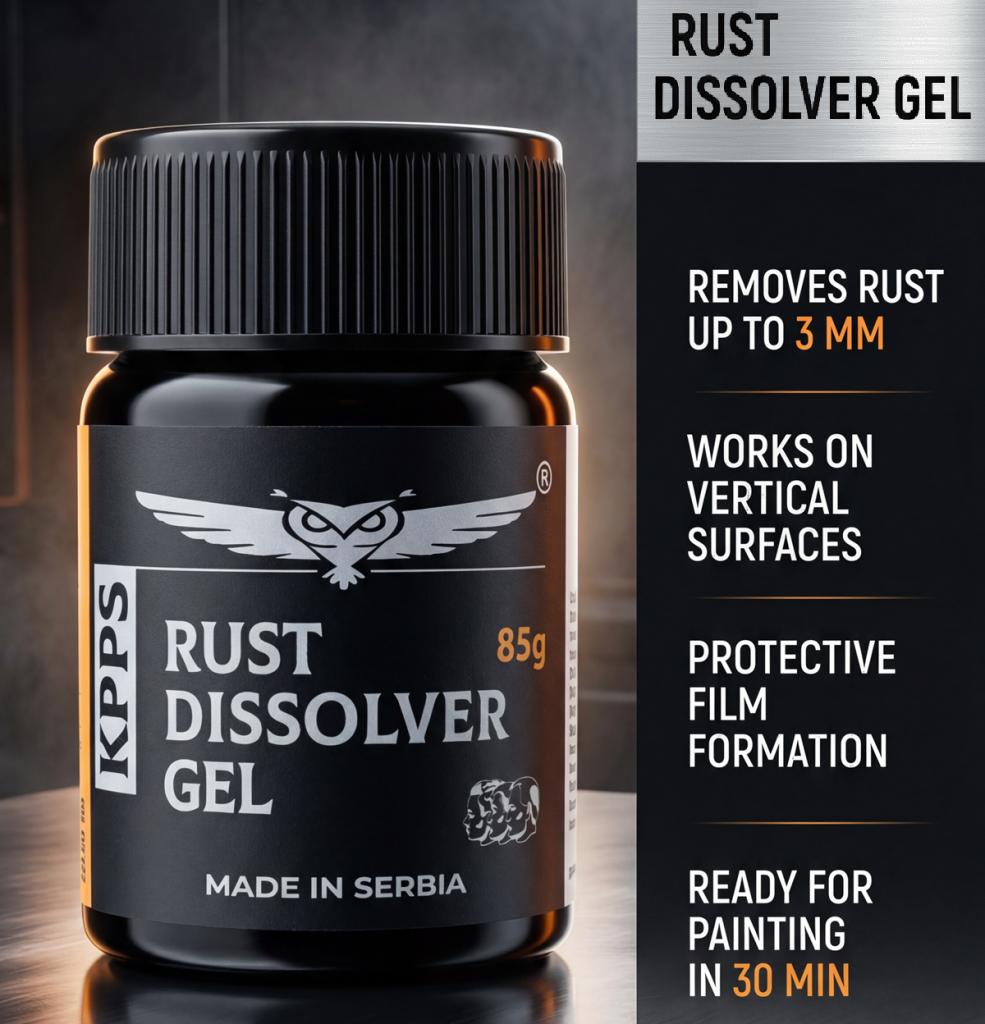
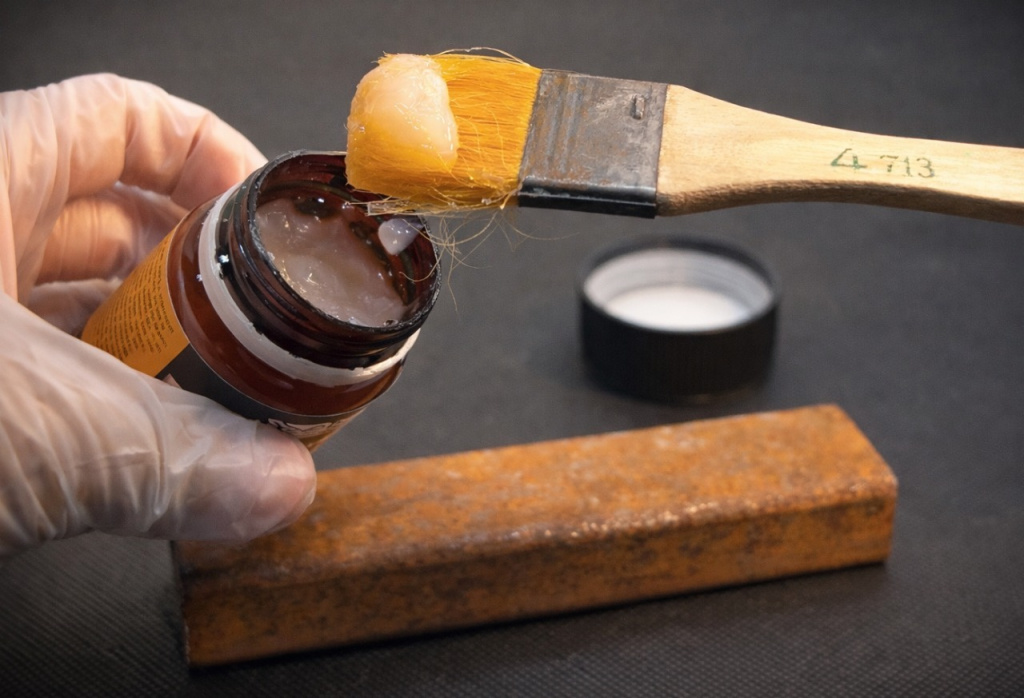
That is why more and more car owners choose gel formulas. KPPS rust remover gel stays on the surface and allows active components to work exactly where corrosion is present — not on the garage floor.
Mistake #5. Ignoring the First Signs of Rust
At an early stage, corrosion looks like a light coating or slight discoloration. Many people simply ignore it.
But this is exactly the moment when the problem is easiest to stop — quickly and without complicated repairs.
A Real-Life Example
A typical situation familiar to many car owners in Serbia.
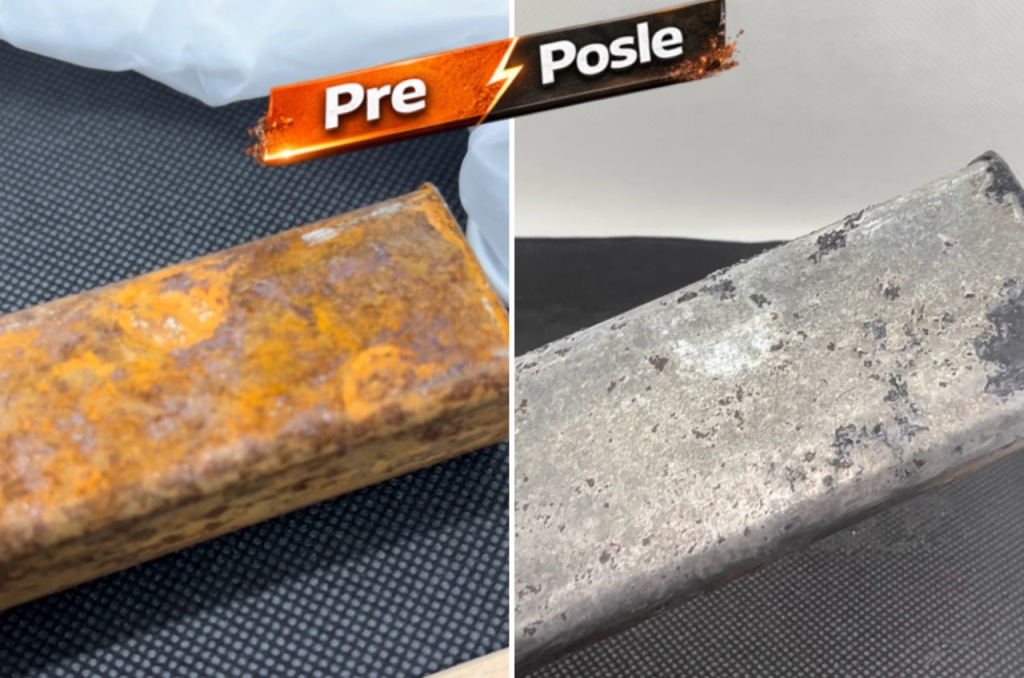
An old drill bit covered in heavy rust was lying in a garage. Usually, such items are either thrown away or heavily sanded.
Instead, a simple test was done:
- the gel was applied to the surface
- the product stayed in place and started working
- after some time, the rust softened
- the metal was cleaned without sanding
This example clearly shows the main principle: you don’t always need mechanical force — sometimes choosing the right method is enough.
Why Are These Mistakes So Common?
Most drivers rely on old habits and traditional methods.
But modern products allow a different approach:
- precise application
- gentle treatment
- no heavy tools
- no damage to metal
That is why chemical rust removal is becoming increasingly popular among people who maintain their cars themselves.